Meta, TikTok and X v Ofcom: The Regulator's Right to See the Data
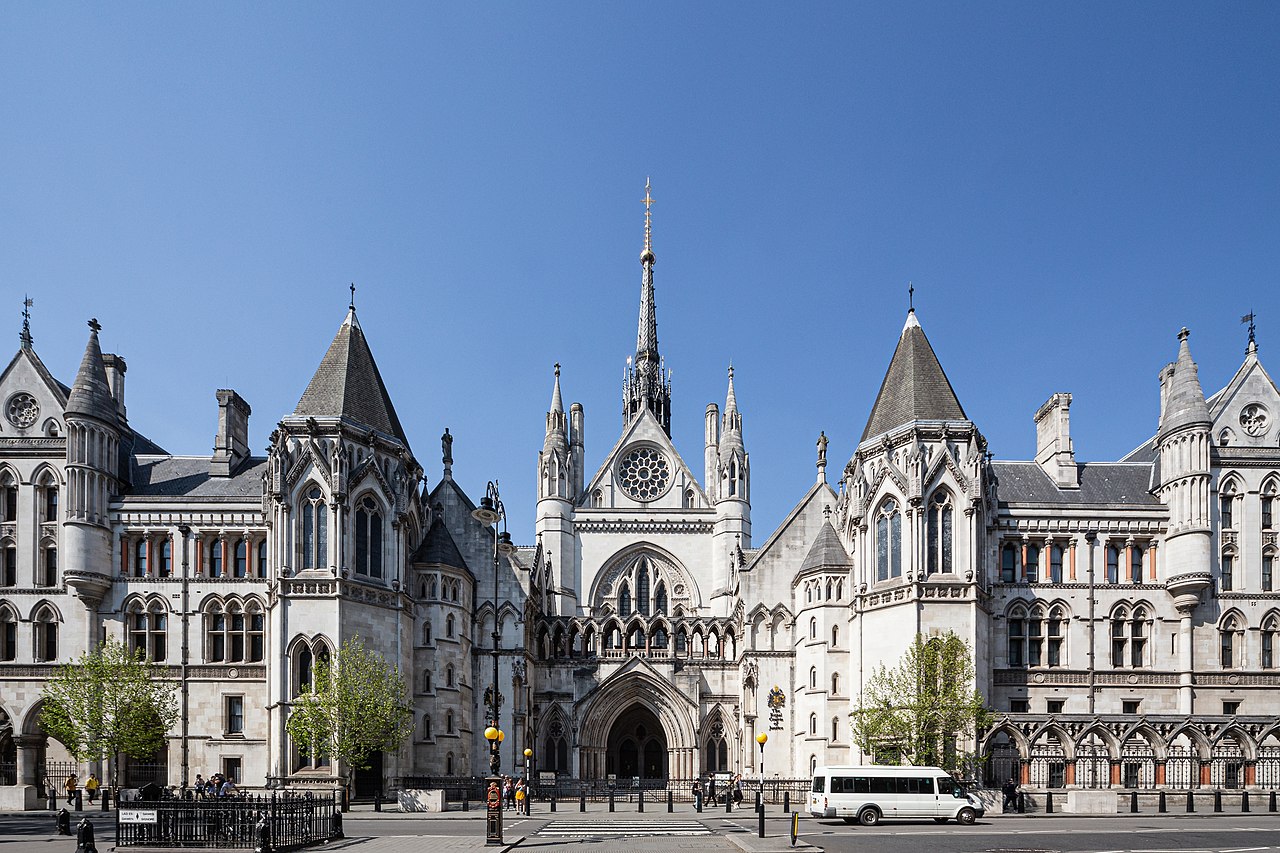
On 30 October 2026, the High Court in London rejected a joint judicial review brought by Meta, TikTok and X against Ofcom, the UK's online safety regulator, in what is reported as the first court test of Ofcom's information-gathering powers under the Online Safety Act 2023. In February, Ofcom had served formal information notices asking the platforms for detailed content moderation metrics, including how many posts they removed or restricted and how many users were exposed to harmful material, with some of the data covering past periods. The companies argued that the demands were disproportionate and that Ofcom was sidestepping the Act's separate transparency-reporting framework; X described it as the most burdensome request it had ever received from any regulator and put compliance costs in the millions of pounds. The court, sitting as Lord Justice Singh and Justice Collins Rice, refused permission, holding that the information powers serve a distinct regulatory purpose and that individual notices did not cross the threshold requiring a broader impact assessment. The ruling matters because a regulator that cannot see the data cannot supervise anything!
In my view, the court drew the right line: transparency reports are a duty owed to the public, while information notices are the regulator's own investigative tool, and treating the first as a ceiling on the second would let platforms decide what their supervisor may know. I believe, however, that the decision leaves two gaps. First, proportionality was assessed at the permission stage, so we still lack a detailed judicial standard for how much retrospective data a regulator may demand and at what cost to the regulated party. Second, the more consequential dispute, Meta's separate challenge to how Ofcom calculates fees and potential fines, remains pending. The practical lesson for platforms everywhere is clear: build data governance that can answer a regulator's questions before they are asked, because litigating the question rarely makes it go away!
Source: City AM, 30 October 2026; Business Standard / Reuters, 30 October 2026. Image: Wikimedia Commons.