Spain v The London P&I Club: The Duty to Arbitrate Is Simply Contractual
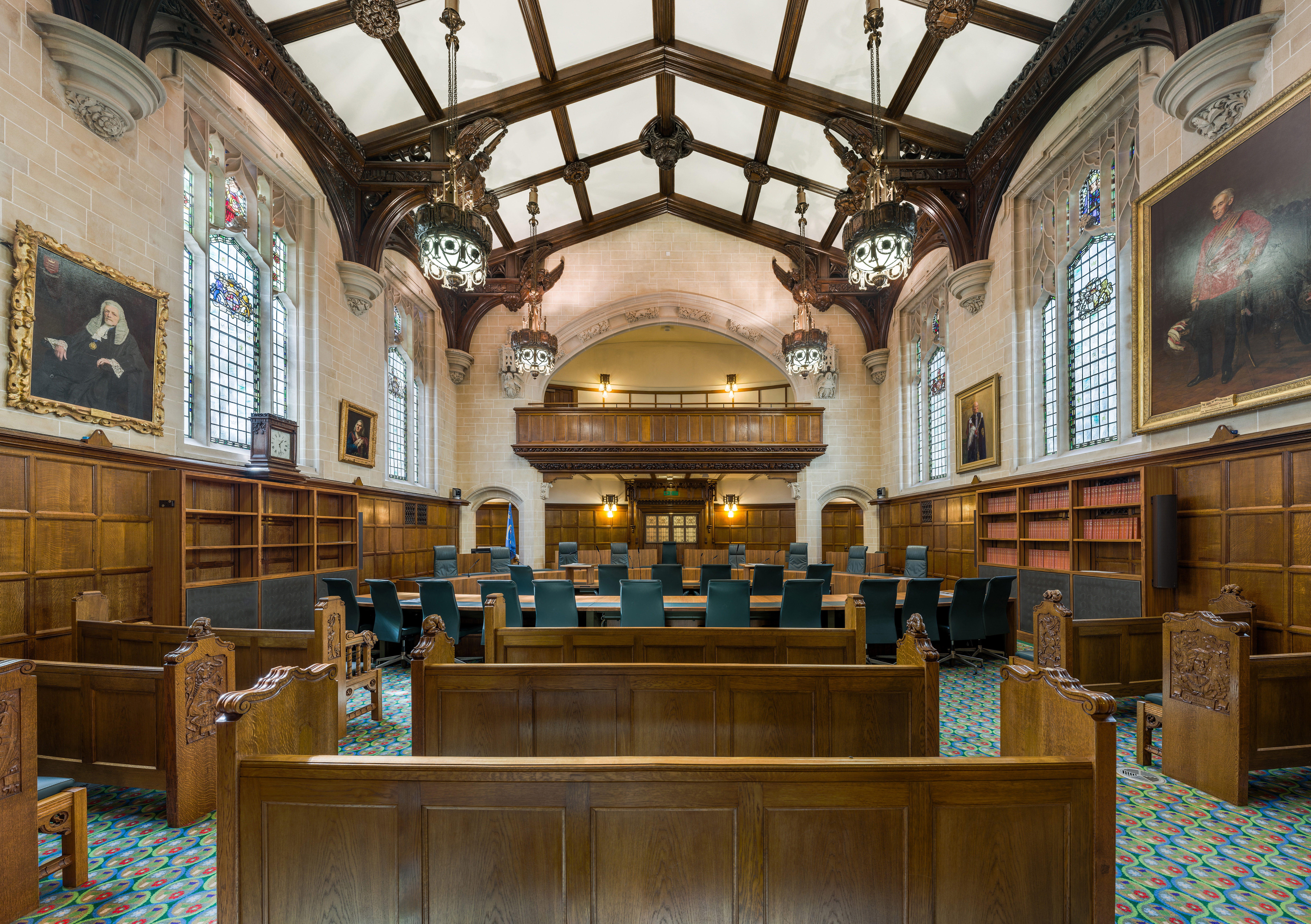
On 28 October 2026 the UK Supreme Court unanimously allowed the appeal in Kingdom of Spain and French State v London Steam-Ship Owners’ Mutual Insurance Association (No 2) [2026] UKSC 36, one more chapter in the litigation that followed the sinking of the tanker “Prestige” off Spain in November 2002. Spain and France had used a Spanish direct-action right to sue the ship’s P&I Club in Spain, obtaining a judgment for up to about €2.355 billion and €117 million, capped by the US$1 billion cover. London arbitrators had already held that, by enforcing rights derived from the insurance contract, the States were bound by its London arbitration clause. Because the State Immunity Act bars injunctions against states, the arbitrators awarded “equitable compensation” instead; the Court of Appeal set that part aside. Lord Leggatt and Lord Burrows reframed the question: a third party who takes the benefit of a contract takes its burden, and the obligation to arbitrate is therefore contractual, not equitable. The remedy is common-law damages, and on that footing the awards stand, including orders that the States pay the Club an equal amount if and when the Spanish judgment is enforced against it.
In my view, this is a welcome piece of doctrinal housekeeping. It removes a label that had crept into the case law without much scrutiny, and it gives the arbitration clause real teeth against a party that cannot be restrained by injunction. The conditional award for future loss flowing from past breaches is, I believe, the most practical lesson for arbitrators: you do not need an injunction to make breach expensive! The limits matter too. The Court accepted that common-law damages cannot cover breaches not yet committed, so the quia timet route has gone, and a damages award against a state still has to be enforced in practice. For insurers and drafters, the message is simple: a direct-action statute can open a door for the claimant, but it does not let the claimant leave the contract’s forum clause behind!
Source: UK Supreme Court, 28 October 2026; see also The Legal Wrap-Up, 2 November 2026. Image: David Iliff, Wikimedia Commons, CC BY-SA 3.0.